
Advanced Pleural Effusion Care by Dr. Frank Mohan – Pulmonologist & Critical Care Specialist
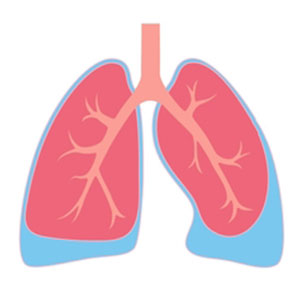
Pleural Effusion is a condition in which excess fluid accumulates in the pleural space the area between the lungs and chest wall leading to breathing difficulty and chest discomfort. It can occur due to infections, heart conditions, lung diseases, or other underlying medical issues. Depending on the cause and severity, patients may experience symptoms such as shortness of breath, chest pain, cough, and reduced lung expansion. Early diagnosis and appropriate medical care are essential to identify the cause and prevent complications. Dr. Frank Mohan, an experienced pulmonologist and critical care specialist, provides comprehensive evaluation and advanced care for effective management of pleural effusion.
Pleural effusion treatment focuses on removing excess fluid, treating the underlying cause, and restoring normal lung function through personalized treatment plans. Under the expert care of Dr. Frank Mohan, patients receive advanced diagnostic procedures, fluid drainage techniques, medications, and continuous monitoring to ensure safe recovery. With timely intervention, patients can experience significant relief in breathing and improved overall health.
Common Symptoms of Pleural Effusion
You should consult a pulmonologist if you experience:
- Shortness of breath or difficulty breathing
- Chest pain, especially during breathing
- Persistent dry cough
- Reduced ability to take deep breaths
- Fatigue and weakness
- Fever in case of infection-related effusion
services
Causes & Risk Factors
Pleural effusion can develop due to various medical conditions affecting the lungs or surrounding structures.
- Lung infections such as pneumonia or tuberculosis
- Heart failure
- Lung cancer or malignancy
- Liver or kidney disease
- Pulmonary embolism
- Autoimmune disorders
Common causes include:
Importance of Early Diagnosis
Early treatment helps to:
- Relieve breathing difficulty
- Identify and treat the underlying cause
- Prevent fluid re-accumulation
- Reduce risk of complications
- Improve overall lung function
Pleural Effusion Diagnosis
Dr. Frank Mohan uses advanced diagnostic methods for accurate evaluation:
- Chest X-ray imaging
- Ultrasound of the chest
- CT scan (HRCT chest)
- Pleural fluid analysis (thoracentesis)
- Comprehensive respiratory assessment
Pleural Effusion Treatment Options
Treatment depends on the underlying cause and severity of the condition.
Medical Management
- Antibiotics for infection-related effusion
- Diuretics in cases of heart failure
- Anti-inflammatory medications
Procedural Treatment
- Thoracentesis (fluid drainage)
- Chest tube insertion for continuous drainage
- Pleurodesis for recurrent effusions
Advanced Respiratory Support
- Oxygen therapy
- Monitoring of lung function
- Critical care support in severe cases
Preventive Management
- Early treatment of lung infections
- Regular monitoring for chronic conditions
- Healthy lifestyle and avoiding smoking
Why Choose Dr. Frank Mohan?
- 12+ years of expertise in Pulmonology & Critical Care
- Specialized management of pleural diseases
- Advanced diagnostic and interventional procedures
- Personalized treatment and follow-up care
- Expertise in handling complex respiratory conditions
- Evidence-based and patient-focused care
Lifestyle Advice for Pleural Effusion Patients
- Follow medical advice and treatment strictly
- Maintain proper nutrition and hydration
- Avoid smoking and pollutants
- Attend regular follow-ups
- Monitor symptoms and report any worsening
- Practice breathing exercises as advised
When to Consult a Specialist?
Seek medical attention if you notice:
- Sudden or progressive breathlessness
- Chest pain while breathing
- Persistent cough
- Fever with respiratory symptoms
- History of lung or heart disease with worsening symptoms
Newsletter
Subscribe our Newsletter to get new updates