Advanced Pulmonary Artery Hypertension (PAH) Care by Dr. Frank Mohan – Pulmonologist & Critical Care Specialist
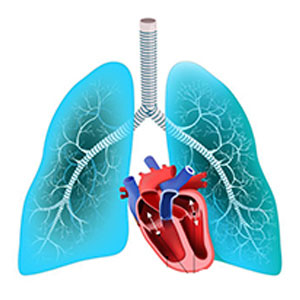
Pulmonary Artery Hypertension (PAH) is a serious condition characterized by increased blood pressure in the arteries that supply the lungs. This leads to narrowing and stiffness of the pulmonary arteries, making it harder for the heart to pump blood through the lungs. Over time, PAH can strain the heart and reduce oxygen supply to the body. Common symptoms include breathlessness, fatigue, chest discomfort, and dizziness, which may worsen with activity. Early diagnosis and specialized medical care are essential to manage the condition and prevent complications. Dr. Frank Mohan, an experienced pulmonologist and critical care specialist, provides comprehensive evaluation and advanced care for effective PAH management.
PAH management focuses on improving blood flow, reducing pressure in the pulmonary arteries, and enhancing quality of life through personalized treatment plans. Under the expert care of Dr. Frank Mohan, patients receive advanced therapies including medications, lifestyle guidance, and continuous monitoring to prevent disease progression. With timely intervention and specialized care, patients can experience improved symptoms and better long-term outcomes.
Common Symptoms of Pulmonary Artery Hypertension
You should consult a pulmonologist if you experience:
- Shortness of breath during routine activities
- Fatigue and weakness
- Chest pain or pressure
- Dizziness or fainting episodes (syncope)
- Swelling in legs or ankles (edema)
- Rapid heartbeat or palpitations
services
Causes & Risk Factors
PAH can develop due to various underlying conditions affecting the lungs or heart.
- Chronic lung diseases (COPD, interstitial lung disease)
- Congenital heart diseases
- Blood clots in the lungs (pulmonary embolism)
- Autoimmune disorders
- Genetic predisposition
- Long-term exposure to high altitude or toxins
Common causes include:
Importance of Early Diagnosis
Early treatment helps to:
- Slow disease progression
- Reduce pressure in pulmonary arteries
- Improve heart and lung function
- Prevent complications like heart failure
- Enhance quality of life
Pulmonary Artery Hypertension Diagnosis
Dr. Frank Mohan uses advanced diagnostic methods for accurate evaluation:
- 2D Echocardiography
- Pulmonary Function Test (PFT)
- Chest X-ray and CT scan
- Electrocardiogram (ECG)
- Right heart catheterization (when required)
Pulmonary Artery Hypertension Treatment Options
While PAH cannot be completely cured, it can be effectively managed with modern treatment.
Medication Therapy
- Vasodilator medications
- Anticoagulants (to prevent clots)
- Diuretics to reduce fluid overload
- Oxygen therapy medications
Lifestyle & Supportive Care
- Controlled physical activity
- Dietary and fluid management
- Avoidance of high altitude exposure
Advanced Respiratory & Cardiac Support
- Oxygen therapy
- Monitoring of heart and lung function
- Critical care support in advanced cases
Preventive Management
- Early detection of underlying conditions
- Regular follow-up and monitoring
- Healthy lifestyle and smoking avoidance
Why Choose Dr. Frank Mohan?
- 12+ years of expertise in Pulmonology & Critical Care
- Specialized care for pulmonary hypertension
- Advanced diagnostic and monitoring facilities
- Personalized long-term treatment plans
- Expertise in managing complex cardiopulmonary conditions
- Evidence-based and patient-focused care
Lifestyle Advice for PAH Patients
- Avoid strenuous physical activity
- Maintain a healthy diet and weight
- Limit salt intake if advised
- Avoid smoking and pollutants
- Follow medications regularly
- Attend regular medical follow-ups
When to Consult a Specialist?
Seek medical attention if you notice:
- Persistent breathlessness
- Unexplained fatigue or weakness
- Chest pain or dizziness
- Swelling in legs or abdomen
- Fainting episodes or worsening symptoms
Newsletter
Subscribe our Newsletter to get new updates