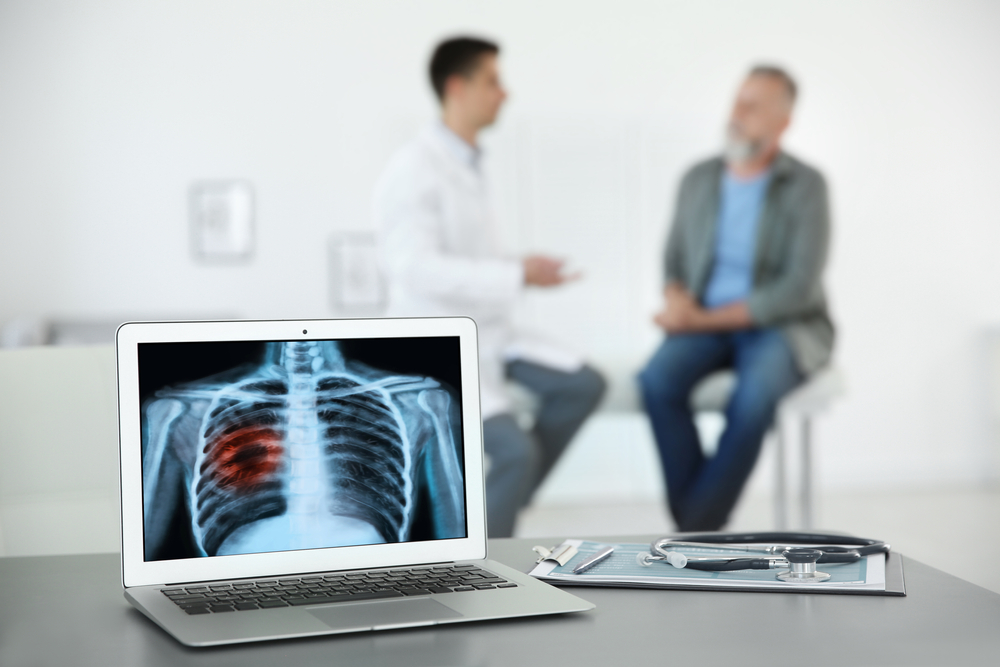
Lung health plays a vital role in maintaining overall well-being, as the lungs are responsible for delivering oxygen to every part of the body and removing carbon dioxide. When the lungs function efficiently, they support essential bodily processes, including energy production, immunity, and physical performance. However, due to increasing exposure to pollution, smoking, and unhealthy lifestyles, lung-related diseases are becoming more common and often go unnoticed in their early stages.
One of the biggest challenges with respiratory conditions, especially lung cancer, is that symptoms may not appear until the disease has progressed significantly. This makes early detection extremely important. Regular lung screenings and timely medical check-ups can help identify abnormalities at an early stage, allowing for more effective treatment and better outcomes. Awareness about lung health and proactive care can significantly reduce the risk of severe complications.
services
Understanding Lung Health
Healthy lungs are essential for maintaining energy levels, supporting immunity, and ensuring proper functioning of all organs. When lung function declines, even simple daily activities like walking or climbing stairs can become difficult.
Factors such as pollution, smoking, and workplace exposure to harmful chemicals can gradually damage lung tissues, often without immediate symptoms.
Common Lung Diseases to Be Aware Of
Several respiratory conditions can affect lung health, including:
- Asthma
- Chronic Obstructive Pulmonary Disease (COPD)
- Pulmonary fibrosis
- Lung infections
- Lung cancer
Early identification of these conditions plays a key role in effective management and recovery.
Major Risk Factors for Lung Problems
Understanding risk factors can help in prevention and early diagnosis:
- Smoking and passive smoke exposure
- Air pollution and environmental toxins
- Occupational exposure to dust, chemicals, or fumes
- Family history of lung diseases
- Aging (risk increases with age)
- Previous lung infections or chronic conditions
Importance of Regular Lung Screening
Lung screening is a preventive approach that helps detect abnormalities before symptoms appear.
Benefits of Early Screening
- Detects diseases at an early stage
- Improves chances of successful treatment
- Reduces complications and disease progression
- Helps in monitoring high-risk individuals
Advanced imaging techniques like low-dose CT scans can identify even small changes in lung tissues, allowing timely medical intervention.
Who Should Consider Lung Check-Ups?
Regular screening is especially recommended for:
- Individuals above 50 years
- Current or former smokers
- People exposed to pollution or harmful work environments
- Those with a family history of lung disease
- Patients with persistent cough or breathing issues
Consulting a pulmonologist can help determine the right screening plan based on individual risk factors.
Treatment and Management Options
If detected early, many lung conditions can be effectively treated and managed through:
- Medications and inhalers
- Lifestyle modifications
- Oxygen therapy (if required)
- Pulmonary rehabilitation programs
- Advanced medical or surgical treatments
Early-stage conditions often respond better to treatment, improving long-term outcomes.
Tips to Maintain Healthy Lungs
- Avoid smoking and secondhand smoke
- Reduce exposure to air pollution
- Exercise regularly to improve lung capacity
- Maintain a healthy diet
- Get regular health check-ups
Frequently Asked Questions (FAQs)
1.Are lung diseases always symptomatic?
No, many lung conditions develop silently without noticeable symptoms in early stages.
2. How often should I get my lungs checked?
High-risk individuals should undergo regular screening as advised by a doctor.
3. Can lung problems be prevented?
Yes, with a healthy lifestyle, avoiding risk factors, and regular medical check-ups.
Conclusion
Lung health is vital for a healthy and active life. Early screening and regular check-ups can make a significant difference in detecting and managing respiratory conditions effectively. Taking proactive steps today can help prevent serious complications in the future.
Newsletter
Subscribe our Newsletter to get new updates